
Aerospace Industry
Aerospace manufacturing is a high-technology industry that produces aircraft, guided missiles, space vehicles, aircraft engines, propulsion units, and related parts. The industry is comprised of government and private industries that perform the institutional roles of end-users, suppliers, and manufacturers. The value chain consists of government and airline companies as primary customers; original equipment manufacturers (OEM) companies, a tiered chain of suppliers and manufacturers; companies that perform maintenance, repair, and overhaul (MRO) of equipment and parts; the consuming public as aircraft passengers.
The global aerospace industry is vast and depends on technological innovations. The standards are high because of safety concerns. It is highly influenced by government policies that govern defense budget allocations and support for civil aviation. Trade agreements and trade regulations such as defense treaties and sky travel reciprocities significantly affect the industry.
According to Delloite, with the global economy gradually recovering from the COVID-19 pandemic, the aerospace and defense (A&D) industry has shown signs of a strong rebound in 2022, but supply chain and talent issues continue to limit the industry’s growth. According to Deloitte’s outlook survey, supply chain disruptions and talent shortages may be the biggest risks or challenges for A&D organizations in 2023. Furthermore, the Russian invasion of Ukraine (the invasion) disrupted global supply chains, especially for critical metals and rare earth elements, and exacerbated fuel price volatility. Inflation remains a challenge for the entire industry—54% of respondents in Deloitte’s outlook survey report that price increases are one of the key risks in 2023.
The Philippines’ Department of Trade and Industry (DTI) states that “the Philippine aerospace industry aims to make the country a major hub for manufacturing of original equipment manufacturing (OEM) parts and allied services, such as maintenance, repair, and overhauling (MRO), for the global commercial aircraft industry.”
Based on its report, “the domestic aerospace industry has an estimated .15% share of 2013 gross domestic product (GDP), and a projected 0.57% share of 2022 GDP given a positive program intervention spearheaded by the government. There are currently three tier 1 suppliers in the country located in economic zones. The industry is under the supervision of the Aerospace Industries Association of the Philippines (AIAP).”
The local aerospace value chain is maturing as evidenced by the presence of key manufacturers in the segments of parts and components manufacturing, sub-systems or subassemblies, and MRO. The products and/or services covered by the local industry in the parts manufacturing segment include the production of flight control actuation systems, servo actuators, servo valves, galley inserts, structures and equipment, seat parts, lavatories, interior fit-out, panel assembly, airframes and subassemblies, and assembly of light-sports aircraft (LSA). For the MRO segment, the industry is able to provide base and line maintenance for commercial aviation, engineering training, and MRO for general aviation. The local industry is also able to provide training on aircraft maintenance technology, aircraft maintenance for technicians, aeronautical engineering, aviation management, commercial flying, and composites repair training.
Among the industry’s strengths are:
- Labor Force and Strategic Location. A pool of young, relatively cost-competitive, English-proficient, highly trainable, and knowledgeable manpower makes up the aerospace-specific labor force, which is in turn supported by a chain of aerospace and aviation schools. At the same time, the Philippines is in a strategic location and could make the country serve as a potentially vital link in the aerospace industry value chain.
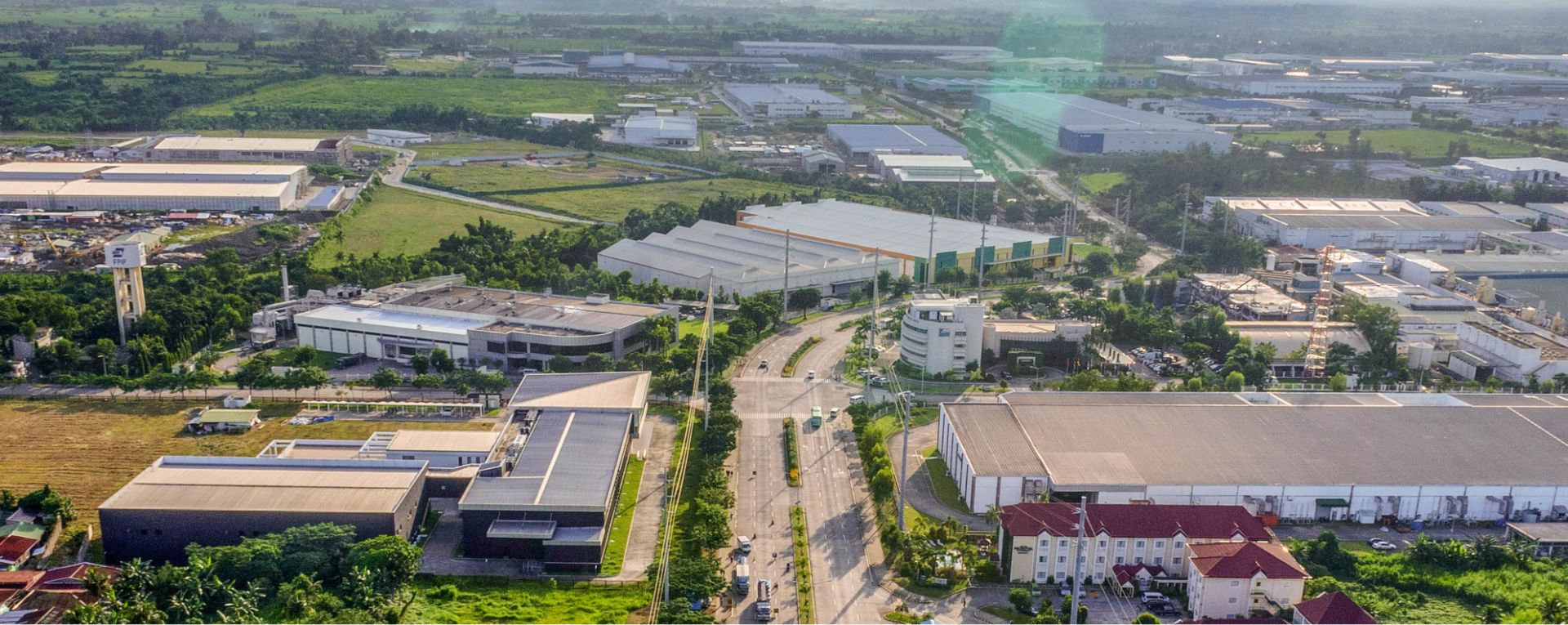
- Competence of the Philippine Economic Zone Authority (PEZA). The Philippines’ special economic zones (SEZs), which are managed by PEZA, are chosen by most foreign investors that have located their manufacturing plants in the country due to their lower overall costs of manufacturing and greater ease of doing business. According to a survey by Duke University, PEZA has been rated by foreign investors as being organizationally stable and responsive to their needs.
- Local Supply Chain. Tier 2-3 supply base of manufacturers that provide OEM requirements have proven capabilities in precision machining, design, and developing capabilities on surface processing and testing.
- Additional strengths include growing commercial airlines, the presence of suppliers and linkages, and growth in business aircraft.
