How Industrial Parks Boost Economic Growth: Investment, Jobs, and Regional Development
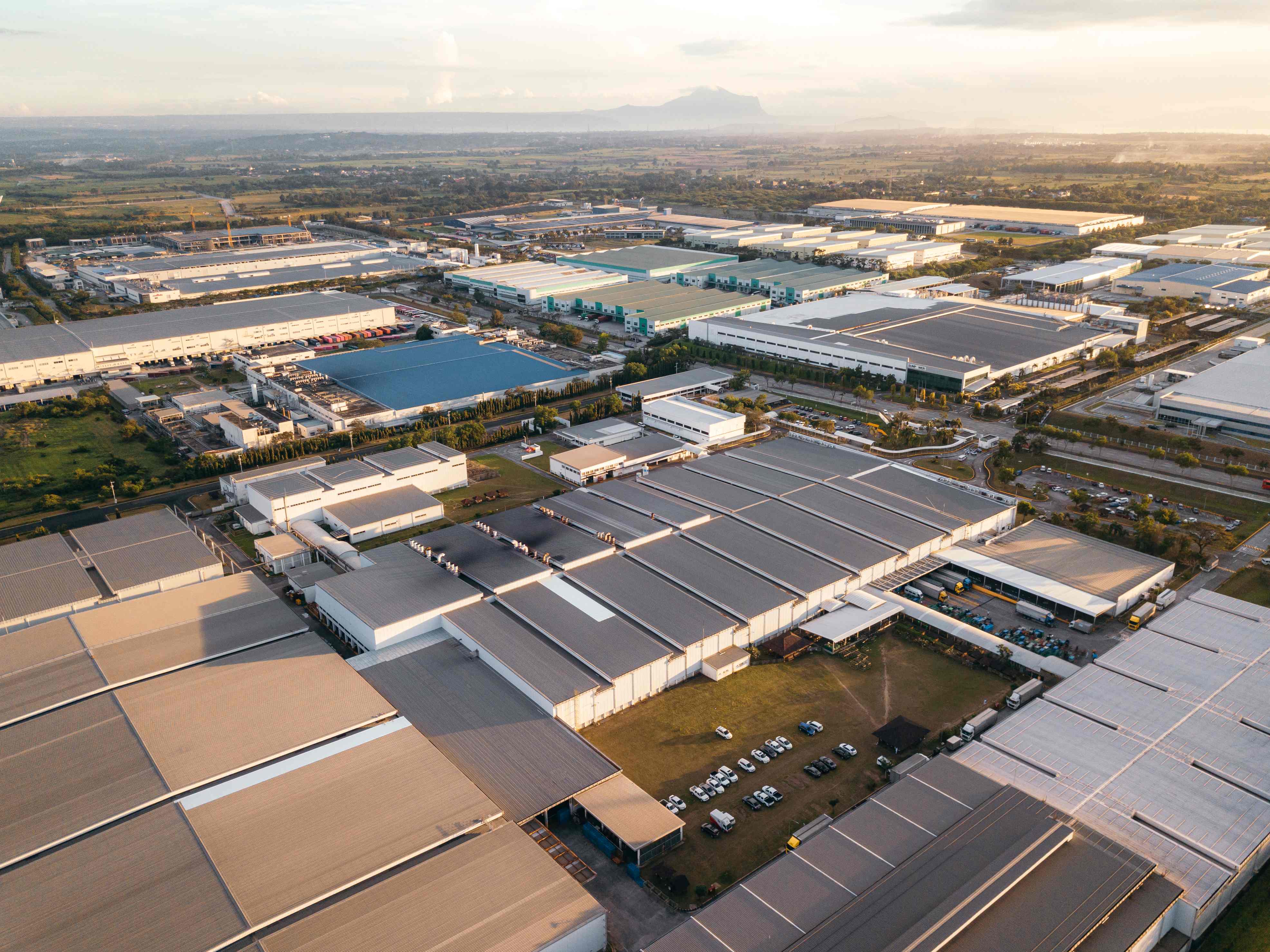
Industrial parks play a crucial role in driving long-term growth and regional development. By clustering businesses within designated areas, these parks foster innovation, efficiency, and global competitiveness.
Attracting Investment and Encouraging Export-Led Growth
Industrial parks serve as magnets for both domestic and foreign investments. They often focus on manufacturing goods for export, contributing to a country's trade balance and integration into the global economy. Moreover, governments and economic zones often provide incentives such as tax breaks, duty exemptions, and simplified customs procedures to attract foreign investors. This encourages multinational companies to establish export-oriented operations within these industrial parks.
A strong example is the Philippine Economic Zone Authority (PEZA). PEZA has helped industrial parks attract major investors like Collins Aerospace and Ibiden Philippines, companies that rely on efficient production facilities for large-scale export operations.
Job Creation and Skill Development
According to the United Nations Industrial Development Organization (UNIDO), establishing industrial parks leads to substantial job creation, directly within the parks and indirectly through ancillary services.
In the Philippines, industrial parks have played a significant role in employment growth. For instance, FPIP is home to over 150 multinational companies which collectively provide jobs for thousands of Filipino workers. Beyond direct employment, these companies generate economic activity that supports other businesses such as restaurants, housing developments, schools, child care, recreational companies, and logistics firms.
Moreover, these parks often facilitate skill development programs, equipping the workforce with specialized competencies that boost productivity and innovation. Many parks partner with technical schools, vocational institutions, and government agencies to offer specialized training programs. These initiatives help workers gain certifications in fields such as electronics, robotics, precision manufacturing, and quality control.
Companies can also participate in government-led Technical Education and Skills Development Authority (TESDA) programs, helping workers acquire essential technical skills.
Enhancing Regional Development
By situating industrial parks in underdeveloped or strategic regions, governments can stimulate local economies, reduce regional disparities, and promote balanced development.
Infrastructure Development and Connectivity
One of the most significant ways industrial parks enhance regional development is through infrastructure improvements. Governments and private investors develop essential facilities such as roads, power supplies, water systems, and telecommunications to support industrial activities. These improvements benefit not only businesses within the park but also the surrounding communities, enabling better access to markets and services. This is particularly important in the Philippines where natural disasters like typhoons and earthquakes can wreak havoc on operations and logistics for companies.
Attracting Businesses to Underserved Areas
By offering incentives such as fiscal and non-fiscal incentives, reduced regulations, and ready-to-use industrial spaces, industrial parks encourage companies to establish operations in regions that might otherwise lack economic activity.
Stimulating Local Entrepreneurship
Industrial parks create a ripple effect that supports small and medium-sized enterprises (SMEs). Local businesses, such as logistics providers, restaurants, housing developers, and service firms, emerge to cater to the growing workforce and industrial demands. This encourages entrepreneurs to be more creative and competitive, and offer a higher standard of service. In turn, this further strengthens the region’s economy and increases job opportunities.
Preventing Rural-to-Urban Migration
Employees have commonly complained that the better-paying jobs are concentrated in the urban areas, forcing young workers to move to the cities instead of staying within their hometowns. When people can find stable employment in their regions, they are less likely to relocate to urban centers in search of work. Moving businesses into provincial areas alleviates crowding and congestion within the cities, reduces pressure on city services, and supports rural and suburban growth more evenly across the country.
Facilitating Sustainable Industrialization
Modern industrial parks are increasingly incorporating sustainable practices, such as efficient resource utilization, waste reduction, and green technologies. This approach not only minimizes environmental impact but also aligns with global standards, making industries more competitive internationally.
Industrial parks create economies of scale by grouping similar industries together, leading to shared resources, reduced costs, and increased efficiency. By centralizing suppliers, logistics providers, and manufacturers, industrial parks reduce production expenses, making exports more competitive in global markets.
For instance, Murata Philippines produces electronic components for export markets. It has helped make the Philippines a key player in the semiconductor and electronics export market.
Industrial parks play a crucial role in economic development by attracting investment, creating jobs, promoting regional growth, and encouraging sustainable industrialization. As the Philippines continues to seek avenues for economic advancement, the strategic development of industrial parks brings companies closer to ports and integrates supply chains to allow the country to capitalize on international trade opportunities, driving long-term economic prosperity.