

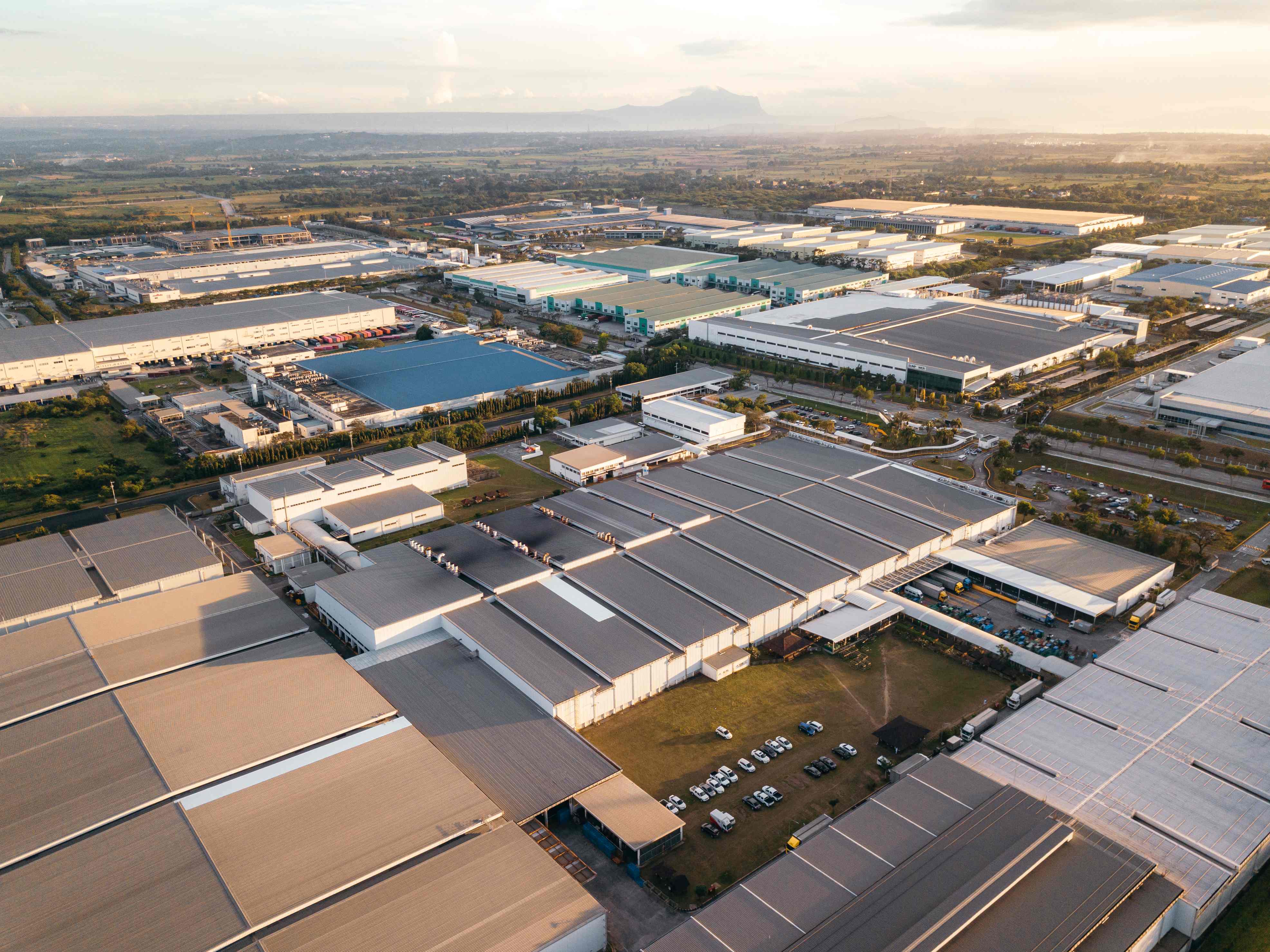
The Importance of a Strong Ecosystem in an Industrial Park
Industrial parks are key drivers of economic growth in the Philippines. They attract investments, create jobs, and boost regional development. Beyond economic benefits, a strong industrial park ecosystem fosters collaboration, sustainability, and competitiveness. When businesses, workers, and communities work together, these parks thrive and bring long-term prosperity.
The Role of Industrial Parks in Economic Development
Industrial parks create and centralize infrastructure, utilities, and logistics that enable companies to thrive. They are also strategically located near ports, highways, and urban centers, allowing goods and services to be transported efficiently.
Industrial parks attract many multinational corporations that generate thousands of jobs, contributing significantly to the country’s export revenue. According to the Philippine Economic Zone Authority (PEZA), industrial zones contributed over 60% of the country’s total exports in recent years. But more than generating revenue, industrial parks also drive urbanization and infrastructure development in underserved areas. These benefit surrounding communities by improving roads, utilities, and public services.
Fostering Collaboration and Innovation
When it comes to fostering collaboration and innovation, proximity is key. Industrial parks benefit from having a network of suppliers, logistics providers, and technology partners that rely on each other. It encourages these businesses to collaborate and share knowledge, allowing them to not only innovate but also improve efficiency, and ensure cost-competitiveness.
Industrial parks cultivate an environment where businesses from various sectors—such as electronics, semiconductors, aircraft manufacturing, automotive, and food manufacturing—can engage in partnerships and optimize supply chains. This synergy allows companies to reduce costs while enhancing their production processes. It also allows them to develop cutting-edge technologies that improve product quality and competitiveness.
Moreover, industrial parks often collaborate with local colleges, universities, and technical institutions to develop specialized training programs for employees. These equip workers with skills in advanced manufacturing, robotics, and engineering, ensuring that companies can tap a highly skilled workforce that meets industry demands.
Environmental Sustainability through Eco-Industrial Parks
Sustainability is a crucial aspect of industrial park ecosystems. The concept of Eco-Industrial Parks (EIPs) promotes responsible resource management, waste reduction, and energy efficiency to minimize environmental impact. In the Philippines, initiatives such as the Philippine Green Economic Zones aim to integrate sustainability measures into industrial park development.
FPIP is recognized as a Philippine Green Economic Zone. It is also one of only two ecozones to receive the first “Green, Healthy, Smart, and Sustainable Ecozone Award” from PEZA. The award highlights its commitment to sustainable development – beyond complying with requirements under the Renewable Energy Act of 2008 and other environment-related laws, it implemented green practices in the waste management systems, water recycling, and energy efficiency measures. FPIP also incorporates environmentally conscious design elements within the industrial park.
Enhancing Global Competitiveness
A strong industrial park environment boosts the Philippines' competitiveness in the global market. With top-notch infrastructure, simplified regulations, a strong local ecosystem, and appealing investment benefits, the country establishes itself as an enticing hub for foreign direct investment (FDI)
Industrial parks foster a business-friendly environment by collaborating with government agencies to streamline regulatory requirements, ensuring that companies can set up operations with minimal red tape. Moreover, the park’s commitment to sustainability and workforce development further strengthens its global competitiveness, attracting top-tier companies in sectors such as electronics, automotive, and advanced manufacturing.
A strong ecosystem within industrial parks drives economic growth, encourages collaboration, promotes sustainability, and boosts global competitiveness. These parks benefit businesses, workers, and communities by creating a thriving industrial landscape. As the Philippines expands its industrial sector, investing in integrated and sustainable industrial parks will be key to long-term prosperity and global leadership in industrial development.


