Why Waste Management is Important in an Industrial Park
Industrial parks play a big role in driving the economy, creating jobs, and supporting innovation. But with all that activity comes a major challenge—managing waste the right way. Waste management in industrial parks isn’t just about following the rules. It’s a smart move that can improve sustainability, boost efficiency, and even cut costs.
In this post, we’ll break down why waste management matters, the different types of industrial waste, and how sustainable practices can benefit both your business and the environment. Whether you manage operations, lead sustainability, or make big-picture decisions, this guide is for you.
The Growing Need for Waste Management in Industrial Parks
Industrial zones generate large volumes of waste—some of it hazardous, most of it recyclable. Without a structured approach, this waste can lead to serious environmental, legal, and reputational risks.
According to the UN Industrial Development Organization (UNIDO), manufacturing accounts for over 20% of global greenhouse gas emissions, a portion of which stems directly from poor waste handling.
That’s why waste management systems in industry are no longer “nice to have.” They are mission-critical.
Understanding Industrial Waste: What Are We Dealing With?
Before we can manage it, we need to know what we're working with. The types of industrial waste commonly found in industrial parks include:
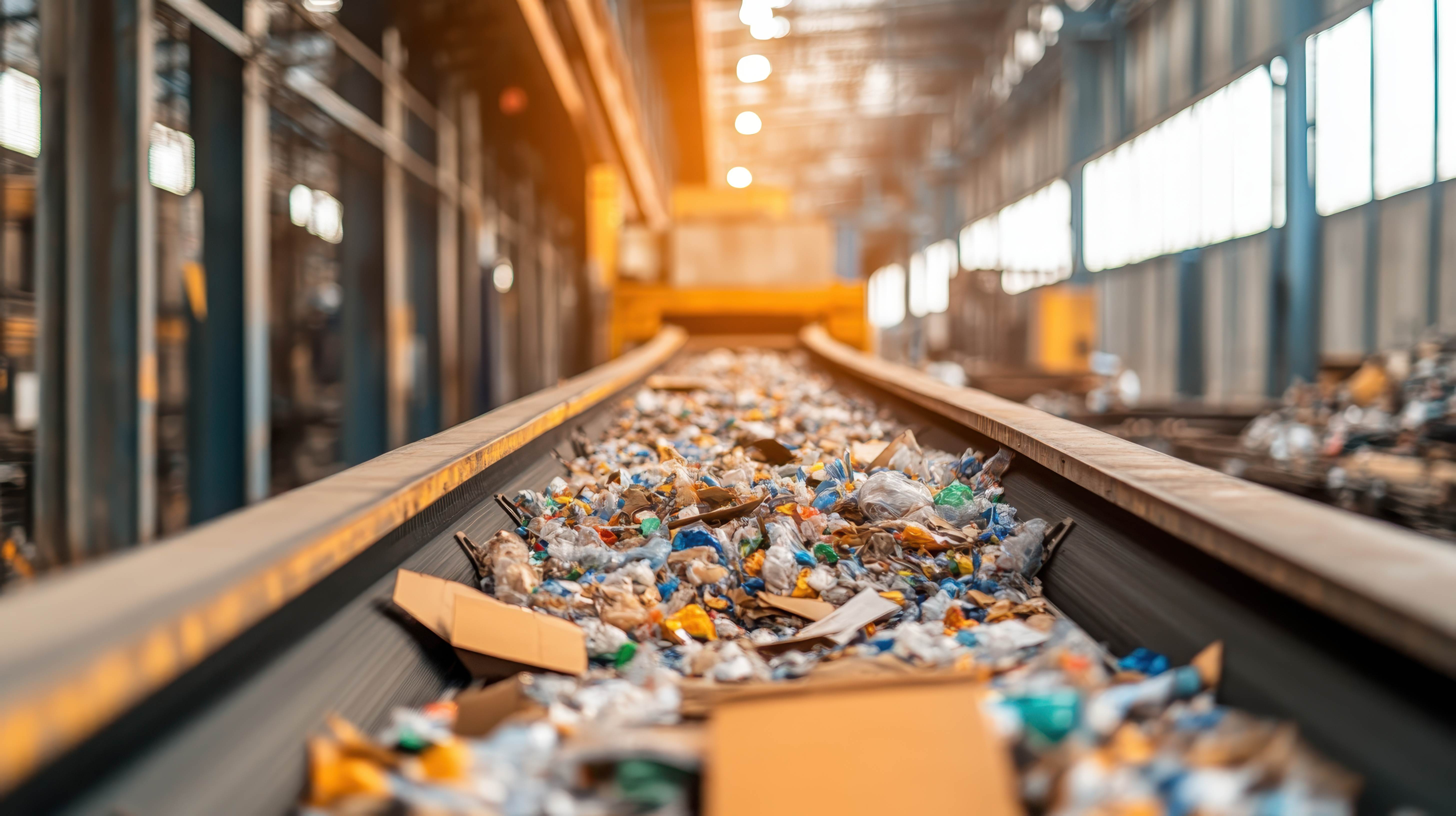
- Solid waste – packaging materials, scrap metals, plastics
- Liquid waste – wastewater, coolants, solvents
- Hazardous waste – chemicals, paints, oils, e-waste
- Organic waste – food scraps from canteens, biodegradable waste
- Construction and demolition debris
Why Is Waste Management in Industrial Parks So Important?
Having waste management has clear, actionable benefits, including
Reducing the Environmental Impact of Industrial Waste
Unchecked industrial waste can contaminate soil, pollute waterways, and degrade air quality. Implementing an environmental management system (EMS) ensures that harmful materials are tracked, treated, and minimized at every stage.
Waste Reduction in Manufacturing = Cost Savings
Efficient waste reduction in manufacturing directly translates to lower material costs, fewer disposal fees, and leaner operations. When waste is minimized at the source, companies save more and waste less.
Enabling a Circular Economy in Industrial Zones
Adopting circular practices—like recycling in industrial parks and repurposing by-products—helps create a self-sustaining loop. This not only conserves resources but also opens up new business opportunities. Meeting Compliance and Regulatory Requirements. Governments are tightening industrial waste regulations and enforcing waste management compliance more strictly. Businesses operating in industrial parks must adhere to standards such as:
- Extended Producer Responsibility (EPR) regulations
- Local hazardous waste disposal laws
- Zone-specific industrial park environmental policies
Supporting Industrial Park Sustainability
Sustainable parks attract better tenants, earn community support, and align with global ESG (Environmental, Social, Governance) frameworks. Smart waste handling is a cornerstone of green industrial zones. Operational Best Practices for Industrial Waste Management
Set Up an On-Site Segregation System
Label bins clearly for general waste, recyclables, and hazardous materials. Train staff regularly to ensure compliance and safety.
Invest in On-Premise Recycling Facilities
Where possible, build infrastructure for in-house recycling or partner with nearby facilities to reduce logistics costs.
Ensure Safe Hazardous Waste Disposal
Work only with certified haulers and disposal facilities. Follow government-mandated processes for tracking, transporting, and disposing of dangerous materials.
Track and Audit Your Waste Data
Use digital tools to monitor waste volumes, sources, and disposal methods. This helps with EPR reporting, environmental audits, and continuous improvement.
Align Waste Strategy with EMS and ESG Goals
Incorporate waste targets into your company’s environmental management system (EMS) and report them under ESG in industrial development metrics to attract investors and customers.
Strategic Value: From Cost Center to Competitive Edge
Waste doesn’t have to be a liability—it can be a business asset. Here’s how companies benefit:
- Brand differentiation: Sustainability is a growing purchase driver.
- Investor confidence : ESG-aligned companies attract more funding.
- Tenant attraction: Clean, compliant parks draw in higher-quality tenants.
- Lower costs: Recycling and reuse reduce raw material spending.
Future-Proofing Industrial Parks
The push toward sustainable industrial practices isn’t slowing down. Governments, investors, and communities expect more from industrial developments. That means prioritizing:
- Green certifications for industrial parks
- Transparent reporting of waste management compliance
- Integration of circular economy principles from design to execution
Forward-thinking parks are already leading the way. Don’t wait for regulations to catch up—be the benchmark others follow.
Small Shifts, Big Impact
From hazardous waste disposal to full-scale circular economy integration, it’s clear that waste management in industrial parks is not just about disposal. Instead, it’s about transformation. Whether you're just starting or refining your approach, every step toward better waste management creates ripple effects: healthier communities, cleaner operations, and a stronger business. Your organization can take action today. Start with a waste audit. Build an EMS. Engage stakeholders. And most importantly, embed sustainability into the DNA of your operations.