Why the Philippines is Emerging as a Key Hub for EV Manufacturing in Southeast Asia
The world is moving fast toward electric vehicles (EVs)—and it’s changing how economies grow. One exciting shift? The Philippines is becoming a rising player in EV manufacturing. Known in the past for electronics and outsourcing, the country is now stepping into the EV spotlight. In this post, we’ll look at why the Philippines is gaining traction in Southeast Asia’s EV scene, what’s driving this momentum, and what it means for businesses and investors.
A Quick Look at the EV Landscape in Southeast Asia
Southeast Asia is one of the world’s fastest-growing regions for EV adoption. Countries like Thailand and Indonesia have made headlines for their ambitious EV policies, but the EV market in Southeast Asia is far from saturated—and the Philippines is stepping up to seize its share.
Key trends fueling EV growth in Asia:
- Rising fuel prices and environmental concerns
- Government incentives and regulatory support
- Shifts in consumer demand toward low-emission transport solutions
- Expanding EV infrastructure and charging networks
Why EV Manufacturing in the Philippines Is Gaining Traction
Several factors are converging to make the Philippines a key player in EV manufacturing in Southeast Asia:
Strategic Location and Logistics Advantage
The Philippines' central location in Asia gives it easy access to major regional markets, making it ideal for exporting EV components or fully assembled vehicles. Proximity to China, Japan, and Korea—leaders in EV technology—further strengthens its position in the EV supply chain.
Government Support and Pro-EV Policies
The Philippine government has rolled out several initiatives aimed at boosting EV production:
- Republic Act No. 11697 or the Electric Vehicle Industry Development Act (EVIDA), which mandates the creation of EV zones and tax incentives.
- Reduced tariffs on EV imports and EV parts.
- Local incentives for EV manufacturing hubs in Philippines economic zones.
These efforts are part of a broader push toward green mobility in the Philippines.
Growing Foreign Investment and Local Partnerships
The increase in foreign investment in the Philippine EV sector is significant. Companies from Japan, Korea, and China are entering joint ventures with Filipino firms to develop EV factories in the Philippines.
In 2023, BYD and Chery Auto expressed interest in setting up local operations, signaling growing confidence in the country’s manufacturing capabilities.
Rising Demand for Sustainable Transport
There’s a growing appetite for sustainable transportation in the Philippines, especially in urban centers where traffic congestion and pollution are major issues. More Filipinos are looking at EVs as a clean and cost-effective alternative to internal combustion engine vehicles.
Key Areas of Growth in the Philippines EV Sector
EV Battery Manufacturing
Battery production is a critical part of the EV value chain. The Philippines, with its rich mineral resources like nickel and cobalt, is well-positioned to support EV battery manufacturing.
Local Assembly and Production Hubs
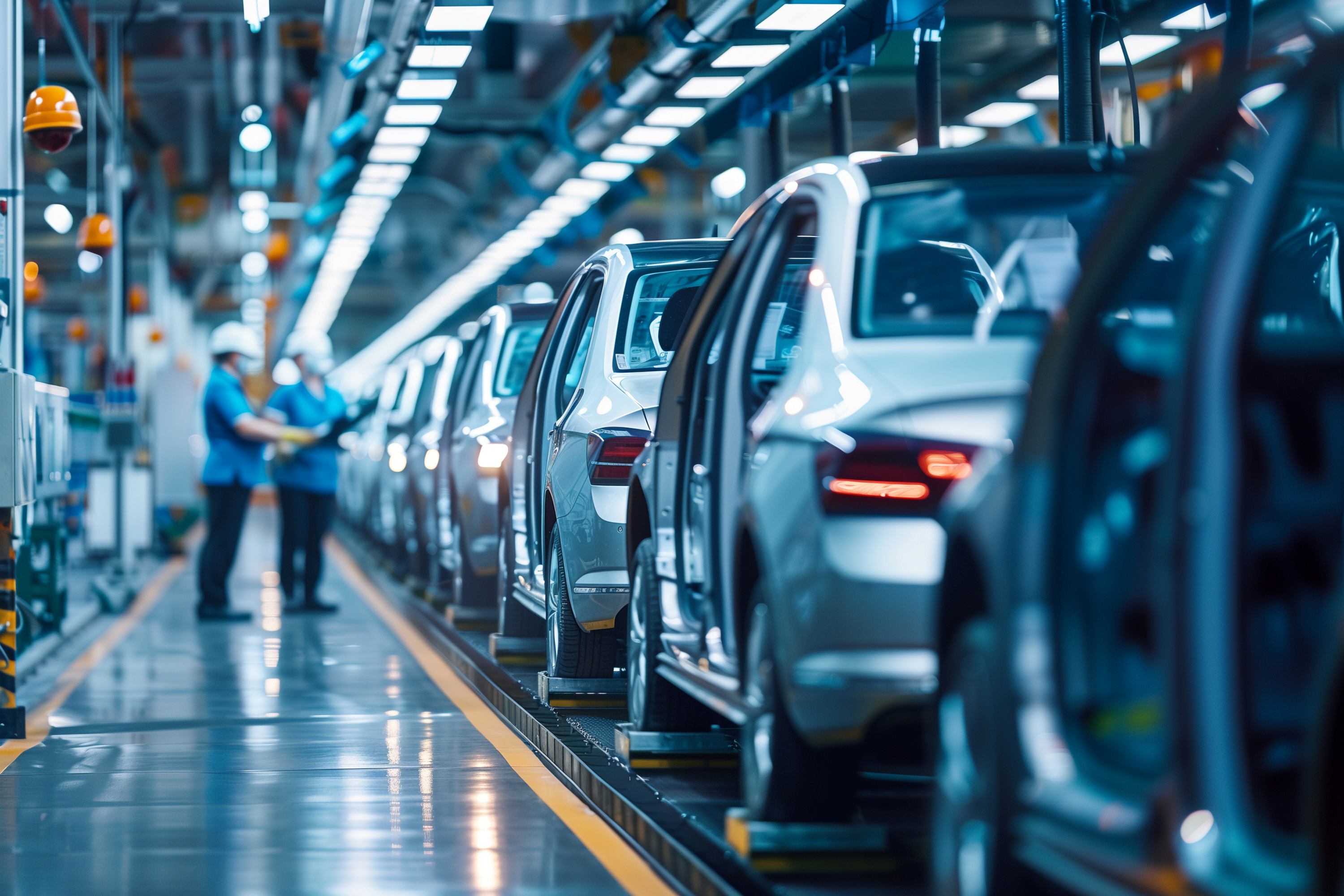
The country is seeing a rise in EV assembly plants in Southeast Asia, particularly in areas like Clark and Subic, where infrastructure and skilled labor are readily available.
R& D and Innovation Zones
The government is also encouraging tech innovation in renewable energy and EV integration, offering tax breaks for companies involved in EV-related R&D.
What This Means for Businesses and Investors
The emergence of the Philippines as an EV manufacturing hub presents a unique opportunity:
- Automotive companies can expand into a growing market with access to regional supply chains.
- Investors can tap into one of Asia’s fastest-growing green sectors.
- Startups and tech innovators can explore partnerships in energy storage, EV design, and sustainable mobility.
Challenges to Watch Out For
While the outlook is promising, some challenges remain:
- The need for better infrastructure (especially charging stations)
- Streamlining import/export regulations
- Enhancing workforce training for advanced manufacturing
However, many of these issues are being actively addressed through government and private sector collaboration.
A Green Future on the Horizon
The Philippines is quickly making its mark on the electric vehicle industry in Southeast Asia. With strategic location advantages, growing investor interest, and a strong policy framework, it is poised to be an emerging EV hub in Asia.