The Business Benefits of Easy Access to Transportation Hubs
In today's business environment, well-placed roads, railways, and ports are essential to drive economic growth, ensure efficient supply chains, and promote thriving communities. Easy access to these networks benefits businesses, consumers, and entire regions.
Boosting the Economy
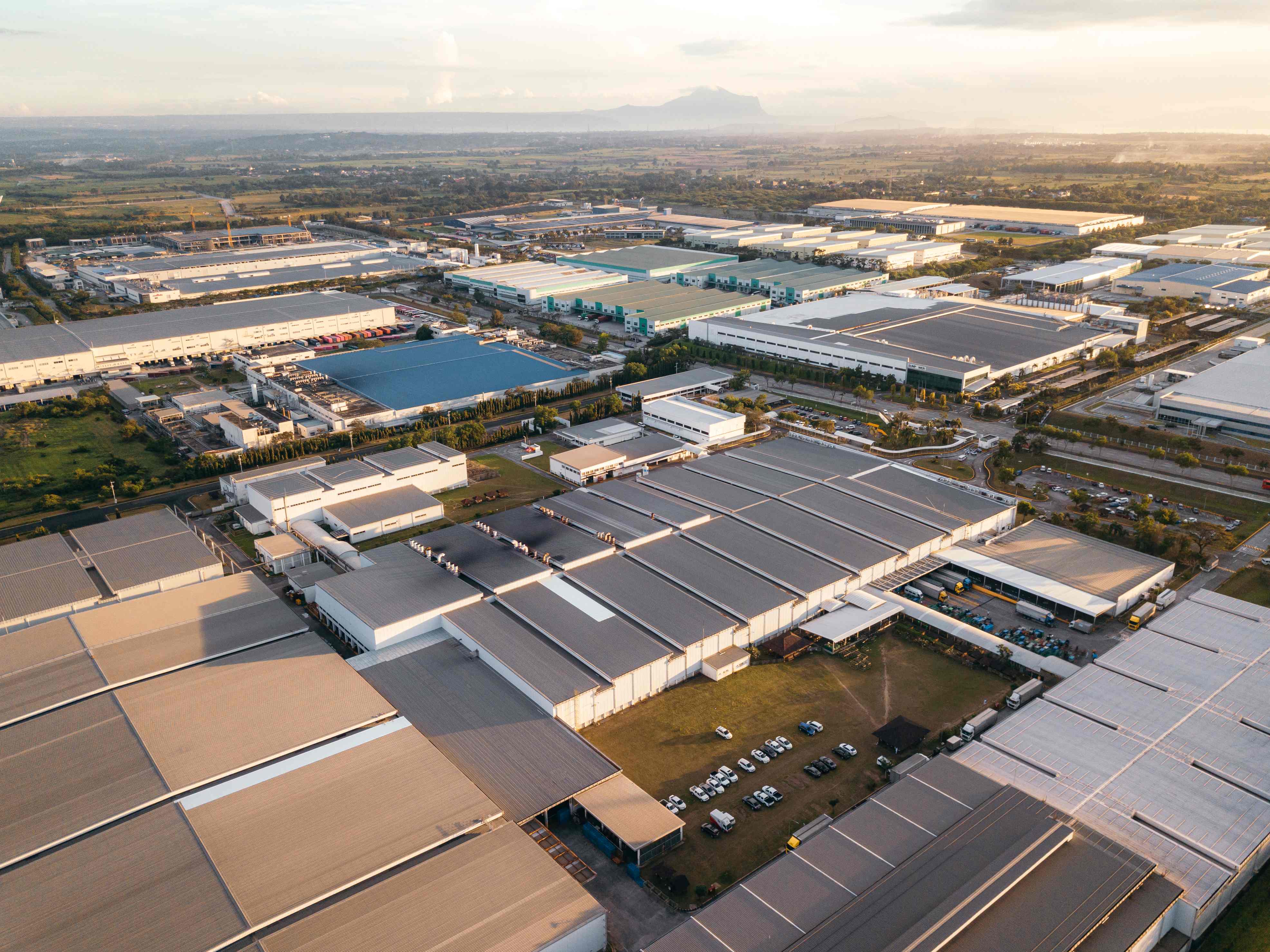
Areas near major transportation hubs attract businesses looking for fast and cost-effective ways to ship goods. With its location near major highways such as the South Luzon Expressway (SLEX) and STAR Tollway, Sto. Tomas attracts businesses looking for efficient distribution routes. Its proximity to Batangas Port, one of the country’s busiest seaports, further enhances trade and logistics. Companies operating in First Philippine Industrial Park (FPIP) benefit from seamless connectivity to Metro Manila, CALABARZON, and key international markets.
Improving Supply Chains
Good transportation systems reduce delivery times and costs. Warehouses and industrial parks in the area benefit from quick access to major roads, ports, and even airports. This strategic location allows manufacturers to receive raw materials faster and distribute finished products efficiently. Batangas Port serves as an alternative to Manila’s ports, while the proximity to Ninoy Aquino International Airport (NAIA) offers convenient air cargo options for businesses that rely on air shipments. These options reduce congestion and improve shipping efficiency, making the area an attractive destination for businesses seeking to optimize their supply chains.
Expanding Market Reach
Businesses located near major ports and transportation hubs can reach more customers. With major highways and Batangas Port nearby, products from companies in Sto. Tomas can be transported quickly both domestically and internationally. This makes Sto. Tomas an attractive location for companies involved in manufacturing, trade, warehousing, and logistics.
Creating Jobs and Supporting Communities
Building and improving transportation infrastructure creates jobs and boosts local economies. Ports, for example, support millions of jobs worldwide and provide essential connections for both trade and travel. Industrial parks, warehouses, and logistics centers generate employment opportunities for local residents. The presence of major roads and ports also encourages the growth of businesses, retail establishments, and residential communities, further strengthening the local economy.
Environmental Responsibility
While transportation infrastructure offers many benefits, sustainable development is essential to minimize its environmental impact. Efficient logistics planning, eco-friendly transport solutions, and green technology can help reduce pollution and protect natural resources. For instance, using Batangas Port for shipping instead of relying solely on Manila’s ports can help reduce road congestion and pollution.
Easy access to roads, railways, and ports are important factors for multinational and local companies looking to expand their operations in Southeast Asia. Transportation infrastructure allows companies to expand markets through strong supply chains to drive economic growth and support the surrounding communities. However, balancing these benefits with environmental care is key to long-term success. By investing in a strong, sustainable transportation infrastructure, both businesses and communities can thrive in today’s world.